7 Ranch-Buyer Checks Before You Fall for Land Near Tracy
7 Ranch-Buyer Checks Before You Fall for Land Near Tracy
Open acreage has a way of speeding up decision-making. One long look at golden fields, big sky, and room to build the life you want, and suddenly every practical question feels less urgent than the dream. That is exactly why smart buyers slow down first. Before you commit to ranch land near Tracy, it helps to look past the romance and examine the details that shape daily use, long-term value, and future resale.
In this part of the Central Valley, rural property can mean very different things from one parcel to the next. Some lots are ideal for hobby farming, horses, or a custom home with elbow room. Others come with access issues, utility hurdles, zoning limits, or seasonal conditions that are easy to miss on a first visit. Buyers working with someone who understands ranch and rural property sales, like Mirna Hernandez of Hero Real Estate, often avoid expensive surprises simply by asking the right questions early.
1. Confirm what the land is actually zoned for. Rural does not automatically mean flexible. A parcel may look perfect for animals, an outbuilding, or a future home, but county rules can tell a different story. Check zoning, minimum lot requirements, agricultural uses, subdivision potential, and any overlay restrictions. If your plan includes boarding horses, planting crops, adding a second dwelling, or running a small income-producing use, verify that in writing rather than relying on assumptions.
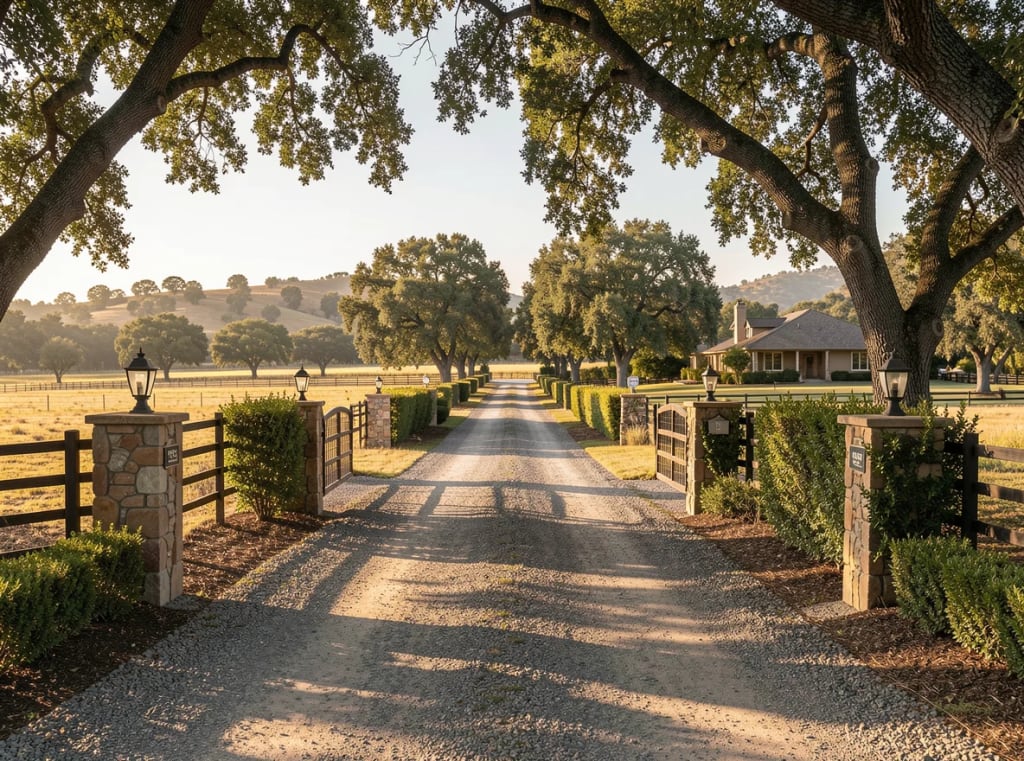
2. Study access like it matters every single day—because it will. A beautiful property loses appeal quickly if the road in is difficult, unmaintained, or legally uncertain. Ask whether access is public or private, whether there are recorded easements, and who pays for maintenance. Drive the route more than once, ideally at different times and after weather changes. Heavy equipment, trailers, feed deliveries, and emergency vehicles all need reliable entry, not just a passenger car on a sunny afternoon.
3. Get clear on water, wells, and drainage. Water is one of the most important ranch-buyer checks in California. If the parcel uses a well, find out its age, production, condition, and testing history. If irrigation is part of your plan, ask about district service, rights, and seasonal availability. Also pay attention to drainage patterns, low spots, and any history of standing water after storms. Land that looks tidy in the dry season can behave very differently when conditions change.
The Checks That Separate a Pretty Parcel from a Practical One
4. Understand utility reality, not utility hope. Buyers are sometimes told that power is “nearby,” but nearby can still mean major installation cost. Confirm electric service location, propane options, internet availability, septic requirements, and any development fees tied to building. For many rural buyers, connectivity matters almost as much as acreage. If you work remotely, stream security systems, or plan a modern custom home, do not leave broadband research until after closing.
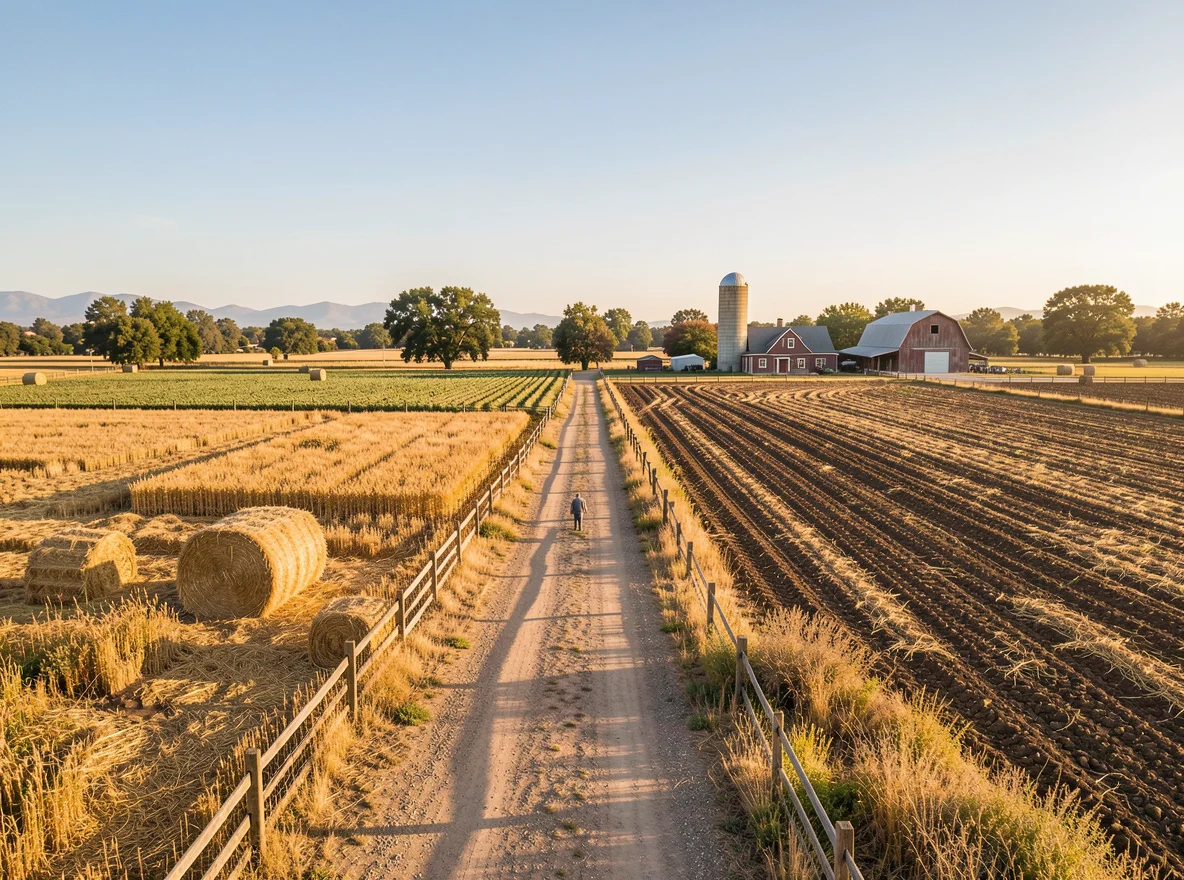
5. Walk the land with purpose. Topography, fencing, soil, shade, exposure, and neighboring uses all affect how enjoyable and functional the property will be. Is the terrain usable or mostly decorative? Are there signs of erosion? Do adjacent parcels support your lifestyle goals, or could future activity create noise, dust, or conflicts? A ranch purchase is not just about the boundaries shown on paper; it is about how the land lives and breathes in real conditions.
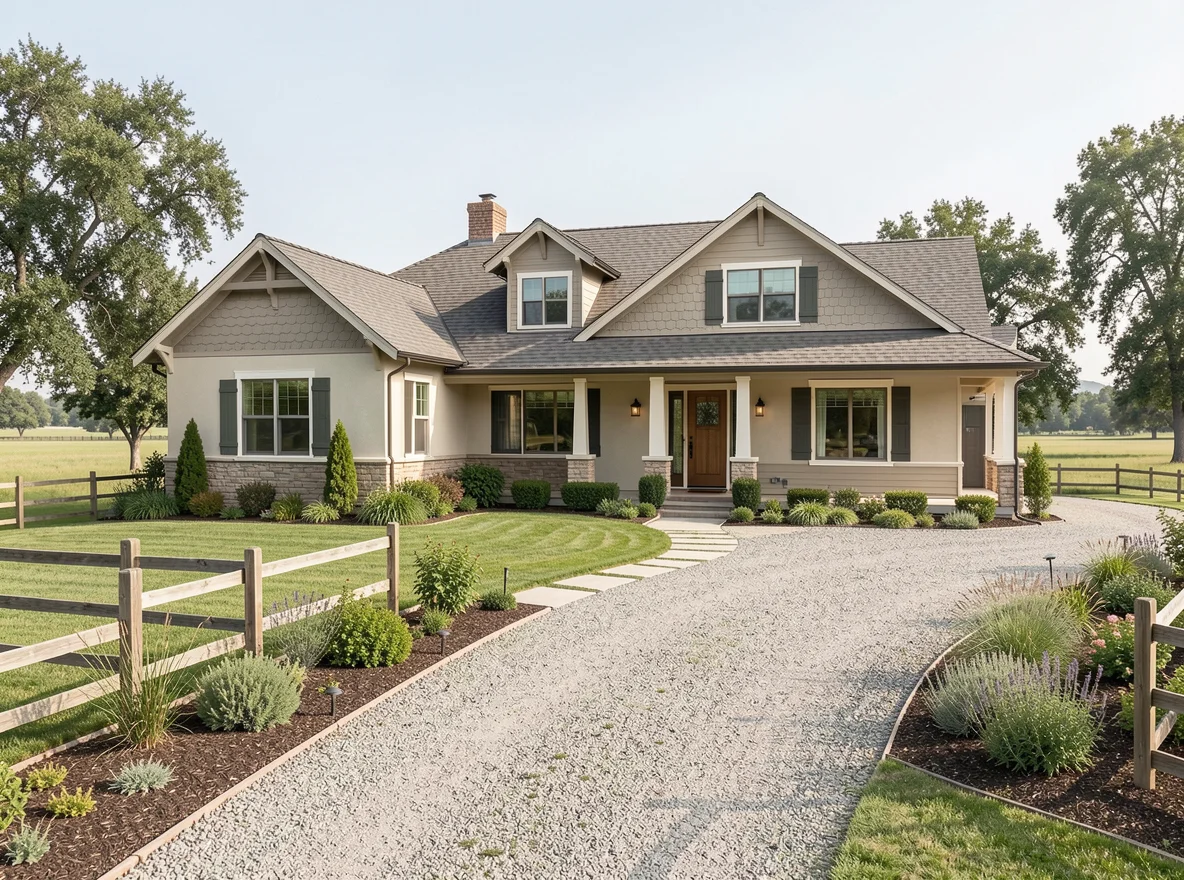
6. Price the improvements you will need before you decide what the land is worth. Raw or lightly improved land often invites optimistic budgeting. In practice, fencing, grading, well work, septic installation, driveway improvements, gates, barns, and utility extensions add up quickly. A less flashy property with better infrastructure can be the stronger buy compared with a cheaper parcel that needs everything. Looking at total project cost, not just purchase price, is one of the clearest ways to protect your finances.
7. Match the property to your real lifestyle. This may be the most personal check of all. Some buyers want a true working setup. Others want weekend quiet, room for animals, and a custom home with privacy. Tracy-area ranch properties can offer access to Bay Area job centers while still delivering that open-space feeling many buyers crave, but the right fit depends on your routines. Think about commute tolerance, supply runs, school preferences, maintenance appetite, and whether you want a full-time rural lifestyle or a gentler version of it.
That broader lifestyle picture matters because Tracy sits in a useful middle ground. You get proximity to major corridors, shopping and services within reach, and access to a growing community, while still finding properties that feel far removed from dense suburban living. For buyers who value land but do not want complete isolation, that balance is a big part of the appeal. It can also support resale, since future buyers may be looking for the same blend of space and convenience.
Why Local Guidance Matters Before You Write the Offer
Ranch transactions ask different questions than standard home purchases. Inspections may need a wider lens. Comparable sales can be harder to interpret. Value may come from improvements, usable acreage, water access, or development limitations that are not obvious from listing photos. That is where experience across rural property, single-family homes, and income property can make a real difference. A buyer benefits from someone who can assess both how the land feels today and how the numbers may work tomorrow.
For families, there is also the practical side of day-to-day living: school options, proximity to recreation, and the rhythm of the community itself. Tracy offers parks, youth sports, commuter links, and a growing local dining scene, while the surrounding rural pockets create opportunities for horse properties, agricultural use, and custom homes with breathing room. The result is a market that attracts everyone from first-time land buyers to move-up purchasers trading tighter neighborhoods for more acreage.
The smartest way to approach a ranch purchase is with equal parts imagination and discipline. Fall in love with the possibilities, yes, but let facts lead the process. When you check zoning, water, access, utilities, land usability, improvement costs, and lifestyle fit before getting emotionally attached, you put yourself in position to buy with confidence. Near Tracy, the right parcel can be a remarkable investment in freedom, function, and future value—if you choose it with your eyes fully open.